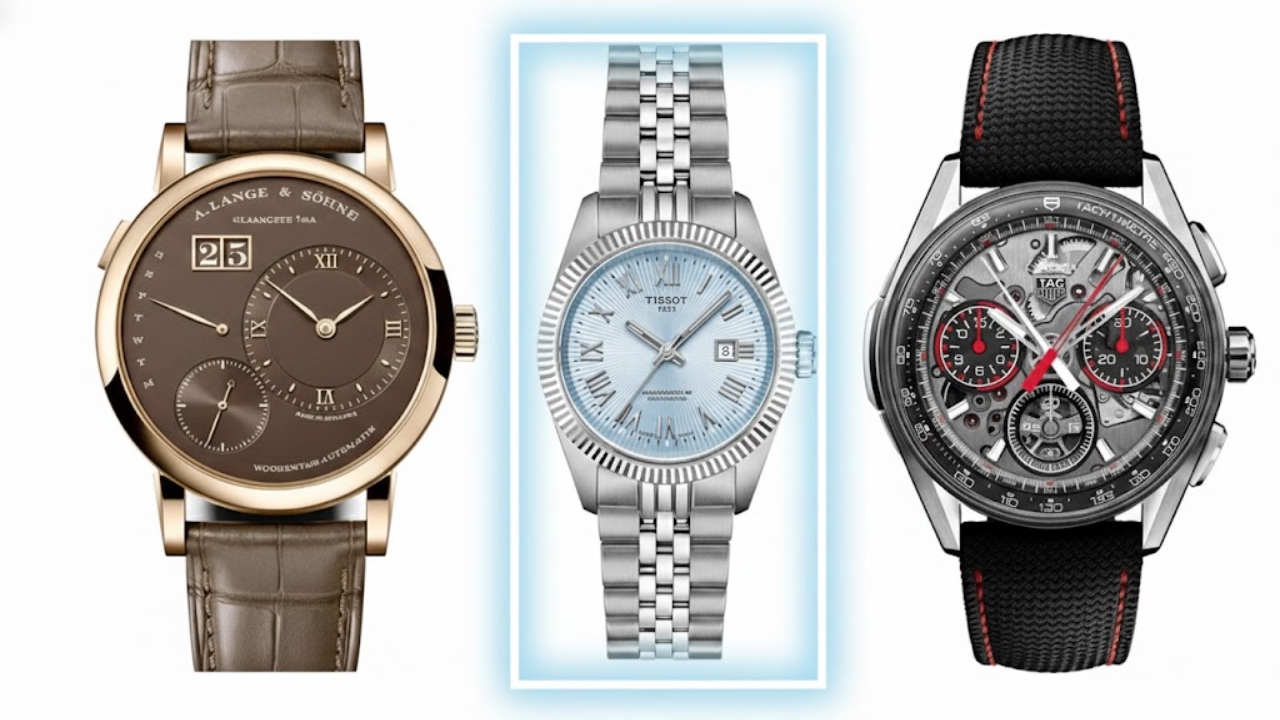
Buying a watch is more than checking the time — it is about craftsmanship, heritage, engineering, and personal identity. From affordable everyday pieces to ultra-refined mechanical masterpieces, the watch market spans a wide spectrum of quality, materials, and price points.
Whether you are exploring your first timepiece or considering a high-end investment, understanding the difference between entry-level, premium, and luxury watches will help you buy with confidence.
Entry-Level Watches
Entry-level watches are designed to provide reliability, accessible style, and practical everyday function at a reasonable price point. They are ideal for first-time buyers, students, or anyone seeking dependable performance without a major financial commitment.
Typical price range:
- $50 to $500
Common characteristics:
- Quartz movements for accuracy and low maintenance
- Stainless steel or alloy cases
- Mineral crystal glass
- Basic water resistance
- Simple dial layouts
- Mass production manufacturing
Well-known entry-level brands include:
- Seiko
- Citizen
- Timex
- Casio
Strengths:

- Affordable and widely available
- Low servicing costs
- Durable for daily wear
- Great introduction to watch collecting
Limitations:
- Limited finishing and detailing
- Basic materials
- Lower long-term resale value
Entry-level watches prioritize practicality over prestige.
Premium Watches
Premium watches occupy the middle ground between mass-market affordability and elite luxury craftsmanship. These watches emphasize improved materials, mechanical movements, and refined finishing while remaining relatively attainable.
Typical price range:
- $500 to $5,000
Common characteristics:
- Automatic or mechanical movements
- Sapphire crystal glass
- Higher-grade stainless steel or titanium cases
- Enhanced water resistance
- Detailed dial textures and finishing
- Brand heritage and design identity
Recognized premium brands include:
- Tissot
- Hamilton
- Longines
- TAG Heuer
Strengths:
- Strong balance between cost and craftsmanship
- Mechanical movement prestige
- Better material durability
- Improved resale potential
Limitations:
- Not fully hand-finished
- Limited exclusivity compared to luxury tier
Premium watches are often considered the sweet spot for enthusiasts who want quality without entering six-figure territory.
Luxury Watches
Luxury watches represent the highest level of horological craftsmanship, heritage, and exclusivity. These pieces are often handmade or finished by master watchmakers, feature in-house movements, and use precious materials.
Typical price range:
- $5,000 to well over $100,000
Common characteristics:
- In-house mechanical or automatic movements
- Hand-finishing and decorative movement detailing
- Sapphire crystals with anti-reflective coatings
- Precious metals such as gold or platinum
- Complications like perpetual calendars or tourbillons
- Limited production numbers
Iconic luxury brands include:
- Rolex
- Omega
- Patek Philippe
- Audemars Piguet
Strengths:

- Exceptional craftsmanship
- High resale and collector value
- Strong brand heritage
- Investment potential in select models
Limitations:
- High purchase and servicing costs
- Long waiting lists for popular models
- Higher insurance considerations
Luxury watches are not simply timekeepers — they are heirlooms, status symbols, and mechanical art.
Key Differences at a Glance
Movement:
- Entry-Level: Primarily quartz
- Premium: Mostly automatic/mechanical
- Luxury: In-house mechanical with complications
Materials:
- Entry-Level: Basic stainless steel, mineral glass
- Premium: Sapphire crystal, refined steel or titanium
- Luxury: Precious metals, ceramic, hand-finished components
Craftsmanship:
- Entry-Level: Machine-produced
- Premium: Enhanced finishing and detailing
- Luxury: Hand-assembled and hand-finished
Exclusivity:
- Entry-Level: Mass-produced
- Premium: Limited runs in some models
- Luxury: Controlled production and high demand
Resale Value:

- Entry-Level: Low
- Premium: Moderate
- Luxury: Often strong, sometimes appreciating
Which Category Is Right for You?
Choose entry-level if:
- You want affordability and reliability
- You are exploring your first watch
- You prefer low maintenance
Choose premium if:
- You appreciate mechanical engineering
- You want better materials and refinement
- You value heritage without extreme pricing
Choose luxury if:
- You seek craftsmanship and exclusivity
- You view watches as collectibles or investments
- You appreciate fine mechanical artistry
Final Thoughts
The right watch depends on your budget, lifestyle, and personal taste. An entry-level watch offers practicality. A premium watch balances performance and prestige. A luxury watch delivers heritage, artistry, and exclusivity.
There is no universally “best” tier — only the tier that aligns with your goals. Understanding these categories ensures that your next timepiece is a confident and informed decision rather than an impulsive purchase.